06 July 2026
Importing or Exporting a Car in Switzerland: Procedures, Taxes and Costs (2026)
Complete guide to importing or exporting a vehicle in Switzerland: customs clearance, 8.1% VAT, 4% automobile tax, form 13.20 A, homologation, export ...

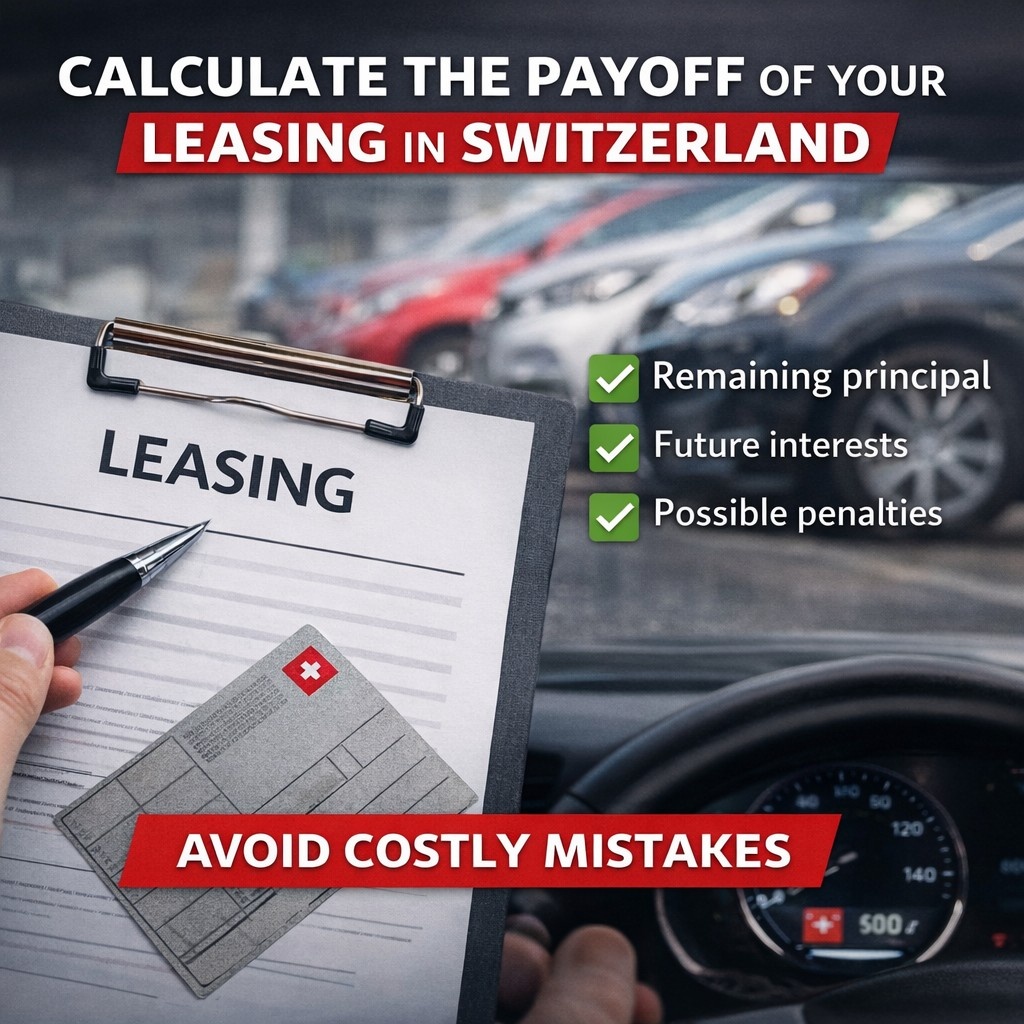
Are you planning to change your vehicle or sell your current car, but your leasing contract is still ongoing?
In Switzerland, the law protects you, but calculating the repayment can quickly become a real headache.
Here’s how to understand your leasing balance without being a finance expert.
In Switzerland, leasing is governed by the Consumer Credit Act (CCA). Article 17 is very clear: you have the right to repay your leasing early at any time.
The key point: you are not “locked” into your contract until the end. However, early termination almost always leads to a recalculation of the total cost.
This is the most common mistake. If you pay 400 CHF/month and have 10 months left, your balance is not simply 4,000 CHF minus the purchase price. Why?
A leasing contract does not work like a traditional loan where you subtract what you’ve already paid. At the beginning, you mostly pay interest, so even after many payments, the remaining amount stays relatively high.
Vehicle price: 28,000 CHF
Down payment: 5,000 CHF 👉 Financed amount: 23,000 CHF
Duration: 48 months
Interest rate: 6.95%
Residual value: 5,000 CHF
👉 Monthly payment ≈ 440 CHF (rounded for simplicity)
Payments made: 24 × 440 = 10,560 CHF
“I paid 10,560 CHF, so I subtract it from the price”
Calculation: 28,000 – 10,560 = 17,440 CHF
👉 They think their balance is 17,440 CHF
In leasing, there is still:
A large part of the capital
The residual value (5,000 CHF)
The fact that you paid a lot of interest at the beginning
👉 After 24 months, the real balance is closer to:
➡️ ≈ 19,500 to 20,500 CHF
Because in the 440 CHF/month:
one part is interest
only one part goes toward repaying the vehicle
👉 So out of the 10,560 CHF paid, you actually repaid much less of the car itself.
In your contract, you will usually find a table (often in the appendix) that shows the buyout value month by month. The earlier you terminate, the higher the amount required by the bank compared to the real market value of the car.
If you don’t want to do complex calculations, follow these steps:
Don’t try to guess. Contact your leasing provider (Cembra, AMAG, Bank-now, etc.) by email or phone.
👉 Suggested message: “Hello, I would like to receive an early termination payoff statement for my contract no. [your number] as of [desired date].”
In Switzerland, leasing amounts may be shown excluding or including VAT. Make sure the amount includes the 8.1% VAT.
Some contracts include administrative fees (usually between 150 CHF and 400 CHF). This is legal but must be stated in the terms and conditions.
Contract stage / Financial difficulty / SellYourCars advice
Less than 12 months / High / Depreciation is at its highest. Wait if possible.
Between 12 and 24 months / Medium / Capital starts to be repaid.
More than 36 months / Low / Often the ideal time.
If you return the vehicle, the bank will check your mileage.
If you agreed on 10,000 km/year but drove 15,000, each extra kilometer will be charged (usually between 0.10 CHF and 0.30 CHF).
👉 This can quickly add several thousand francs to your final bill.
Written on 05 April 2026
06 July 2026
Complete guide to importing or exporting a vehicle in Switzerland: customs clearance, 8.1% VAT, 4% automobile tax, form 13.20 A, homologation, export ...
11 June 2026
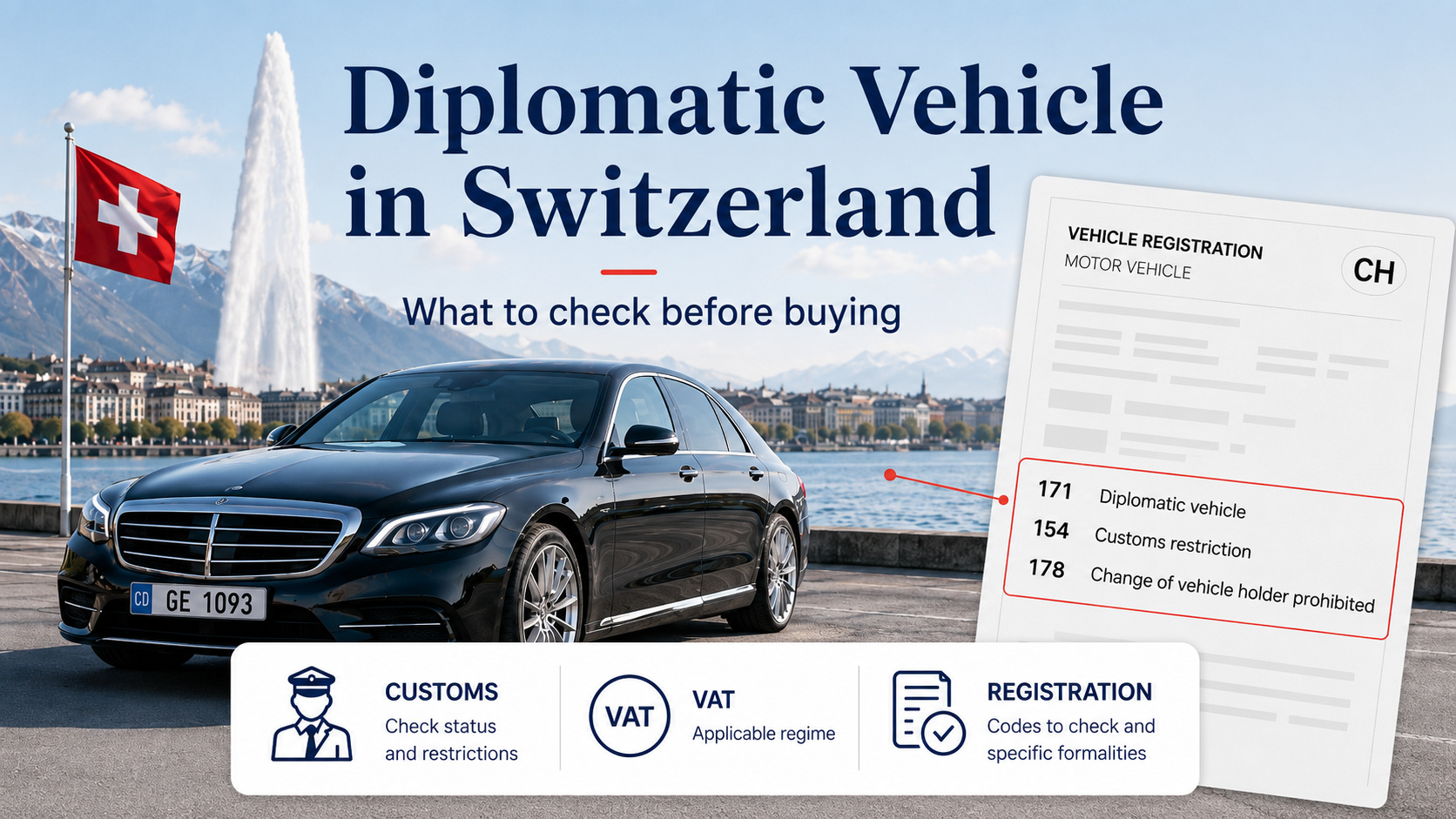
Diplomatic vehicle in Switzerland: what should you watch out for when buying or selling
29 April 2026
Reading time: 7 minutes. Updated on 29.04.2026.
28 April 2026
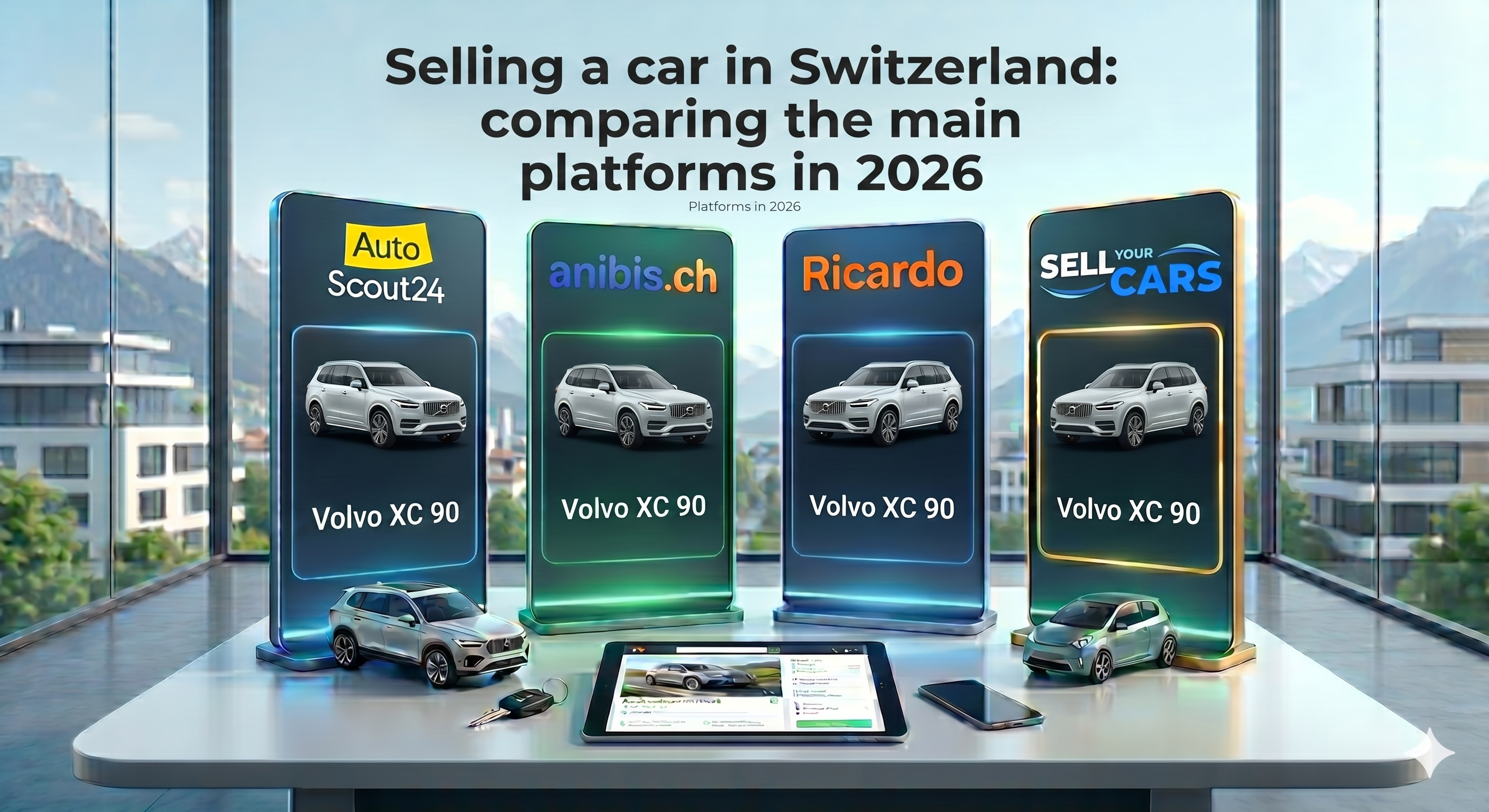
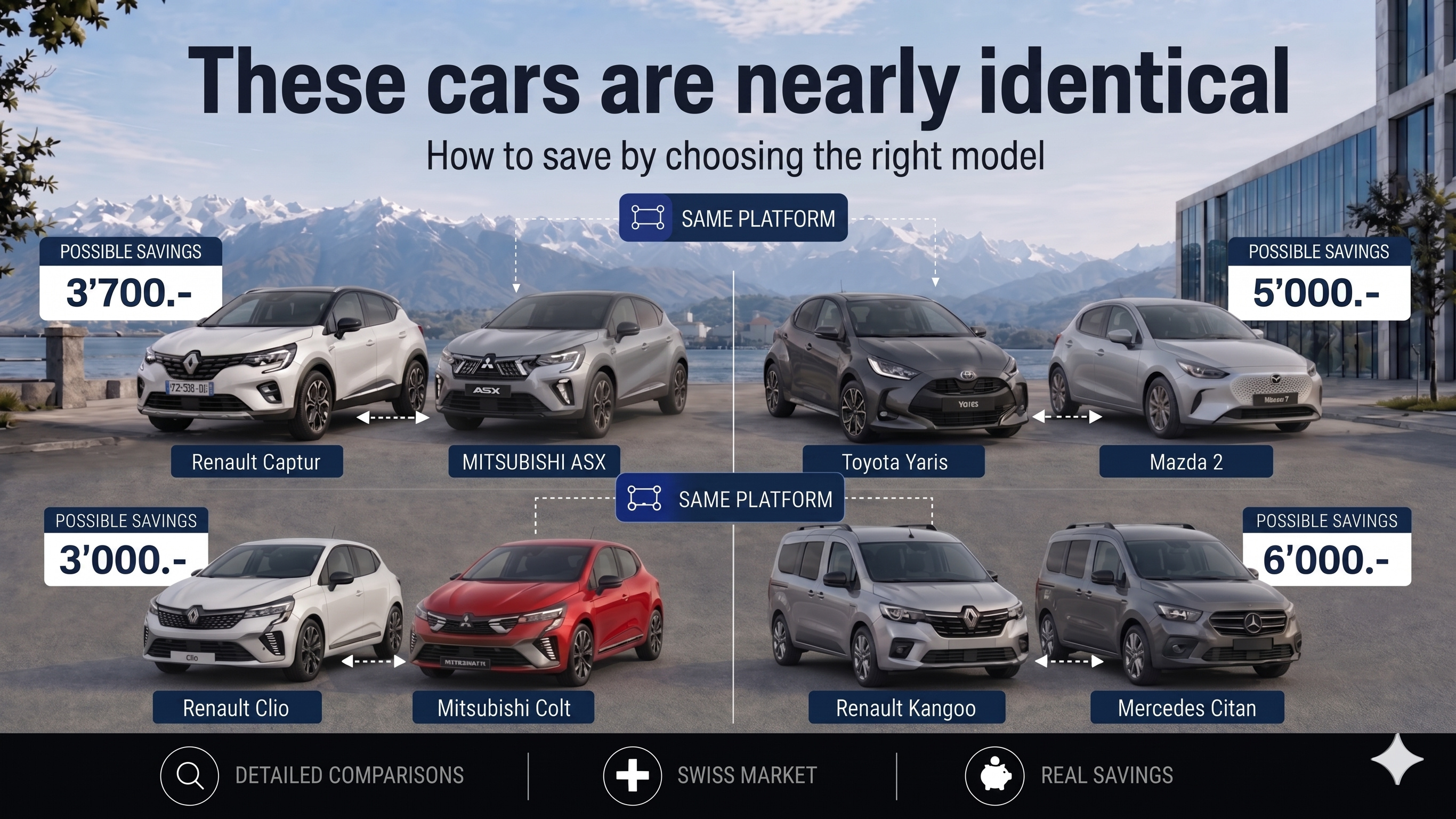
Reading time: 3 minutes. Updated on 28.04.2026 — comparison of identical vehicles in 2026.